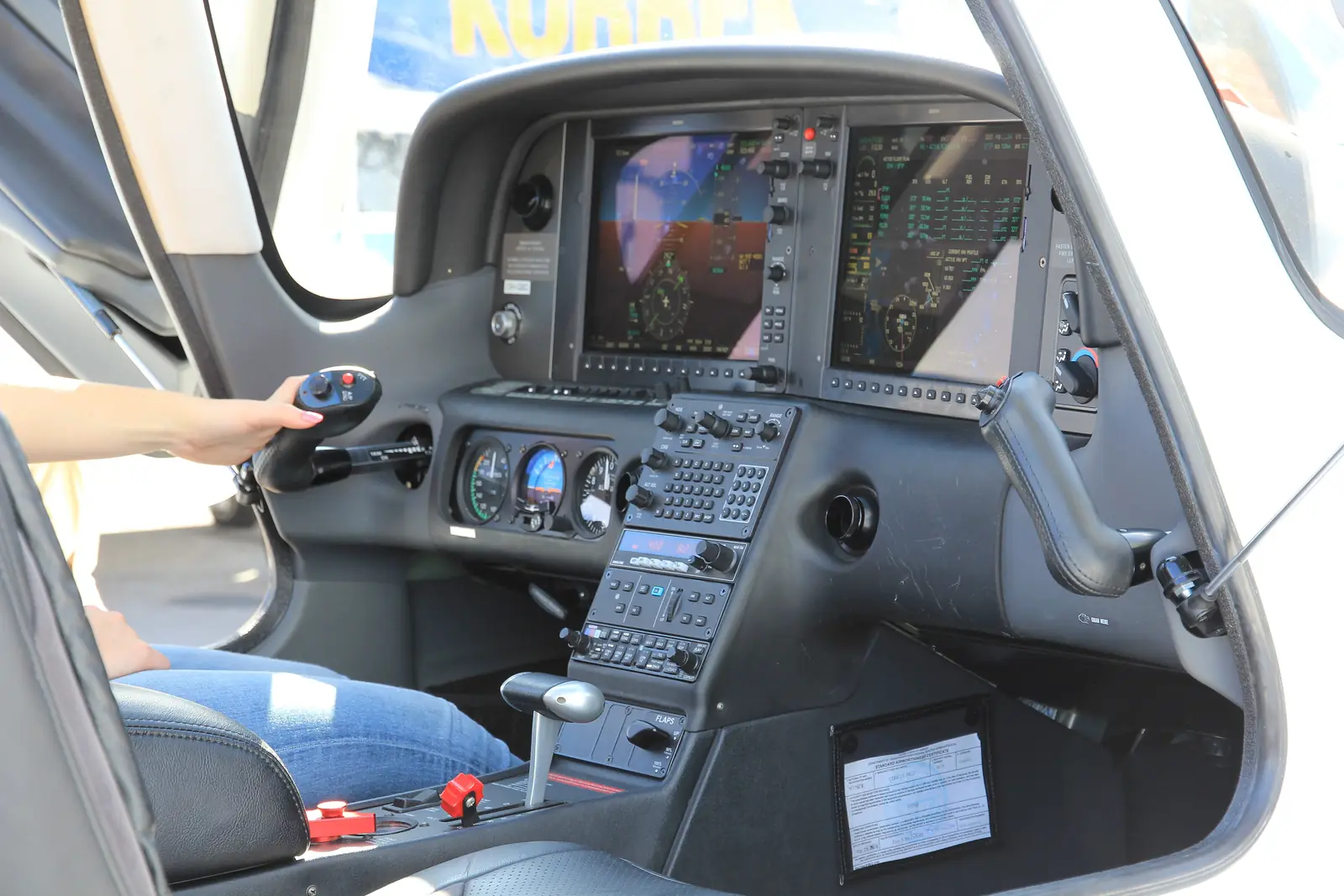
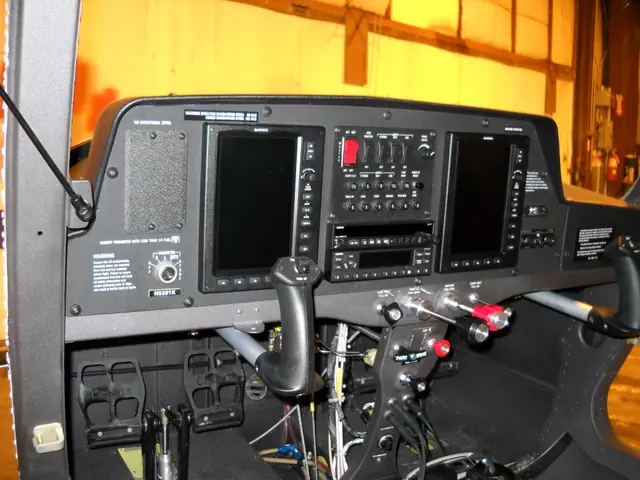
Avionics installation
Navigation, communication and surveillance equipment installed and integrated properly — clean harnesses, documented wiring, and everything talking to everything else before the aircraft leaves.

Modern avionics, installed properly and explained plainly.
Panel upgrades, avionics installation and engine monitoring for light piston singles and twins at North Perry Airport.
Why we exist
Avionics is the most jargon-heavy corner of aircraft ownership. Quotes arrive as lists of part numbers, timelines slip without explanation, and owners are asked to approve work they were never given a clear reason for.
We do it the other way round. Before anything is ordered we walk you through what your aircraft actually needs, what it does not, and what each option changes about the way you fly. You get a plan you can follow, in language you already speak — and the work is finished the way it was described.
What we do
From a single radio to a complete panel rebuild — specified, installed, wired and tested.
Navigation, communication and surveillance equipment installed and integrated properly — clean harnesses, documented wiring, and everything talking to everything else before the aircraft leaves.
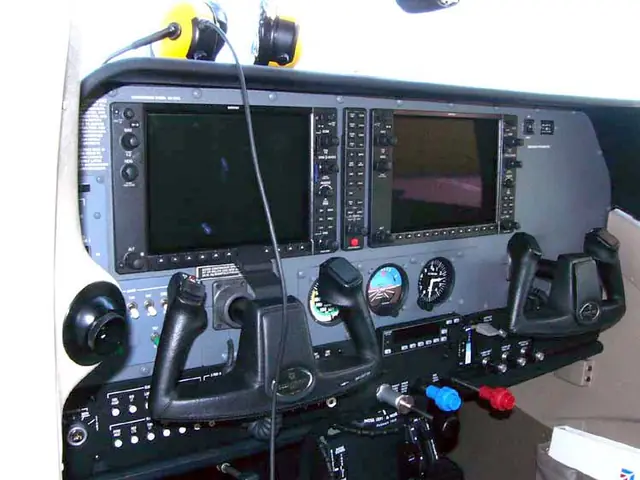
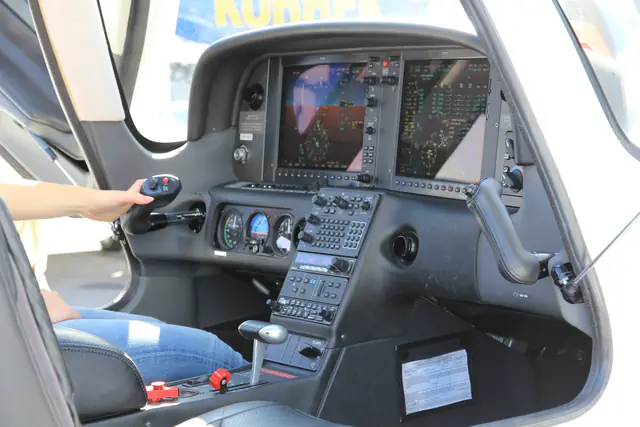
Replacing a tired analog stack with modern glass is the single biggest change you can make to how an aircraft feels to fly. We plan the layout around how you actually use it.
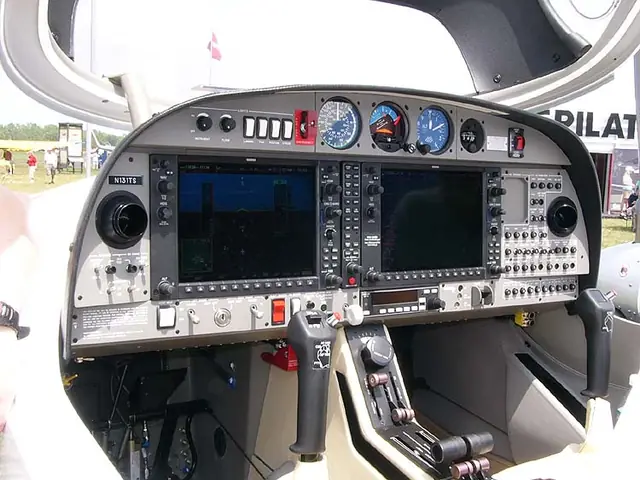
A modern engine monitor turns guesswork into data — trend it, and you find problems while they are still cheap. We install and set up the system, and show you how to read what it tells you.
Intermittent squawks, noisy audio, a system that has never worked properly since the last shop touched it. We chase the cause rather than swapping boxes and hoping.
The new generation
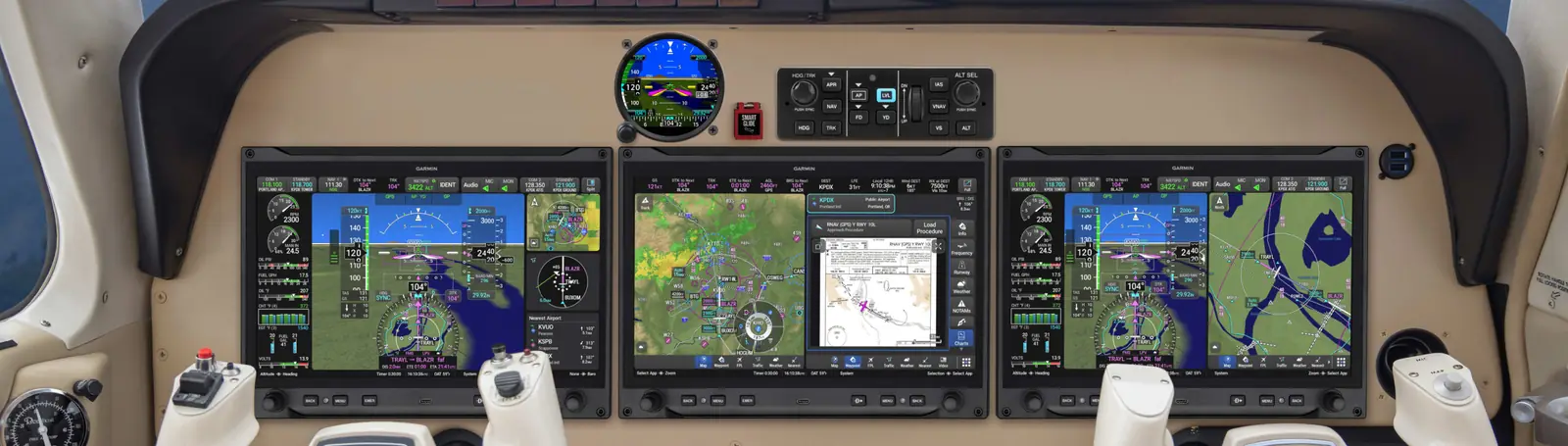
AXIS is Garmin's newest family of flight displays, announced in July 2026, and it changes what a light piston panel can look like. The 11.6-inch display is optionally available with a TSO-certified IFR GPS, COMM radio, NAV radio and audio panel built into the display itself — so the traditional stack of boxes down the middle of the panel is no longer a given.
Fewer boxes means less weight, less wiring and a simpler installation. It also means the layout of a panel is genuinely the owner's to decide, which has not really been true before now.
We follow this end of the market closely, because it changes what is worth doing to an aircraft and what is worth waiting for. Tell us what you fly and what you want out of it, and we will tell you straight what your options are — including the ones that mean spending nothing yet.
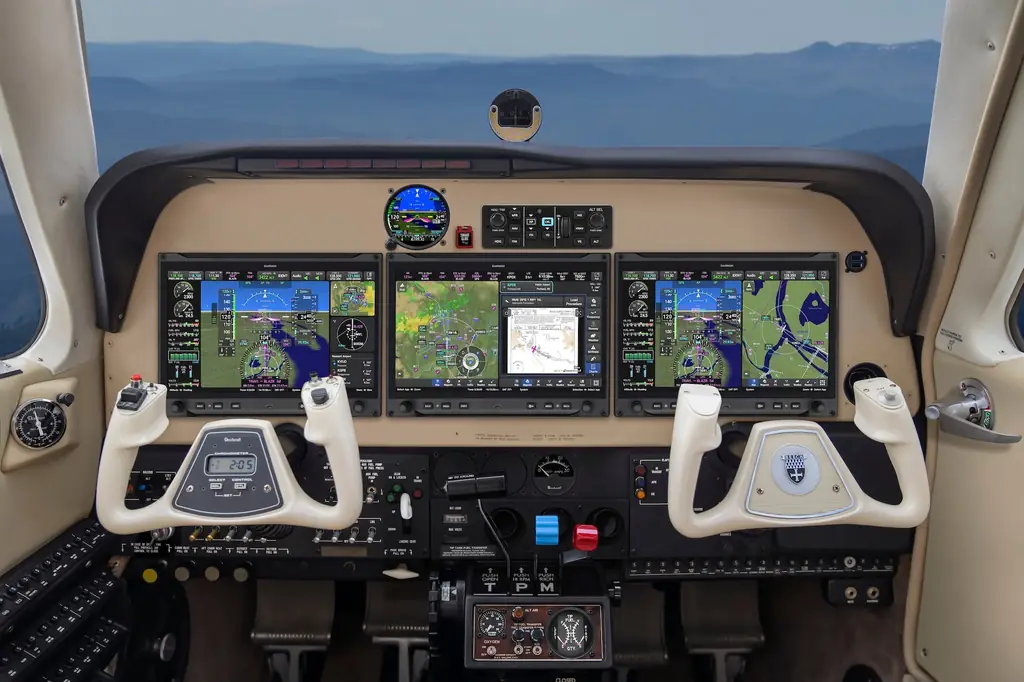
Three AXIS 11.6-inch displays in a Beechcraft Bonanza. Note the radio frequencies and audio controls along the top of each display — there is no centre stack. Image: Garmin.
What an upgrade changes
These are two Diamond light singles — the same panel shape, the same centre sticks, the same view over the cowling. One was delivered with round gauges. The other has two glass displays in exactly the same space. Nothing about the aeroplane had to change.
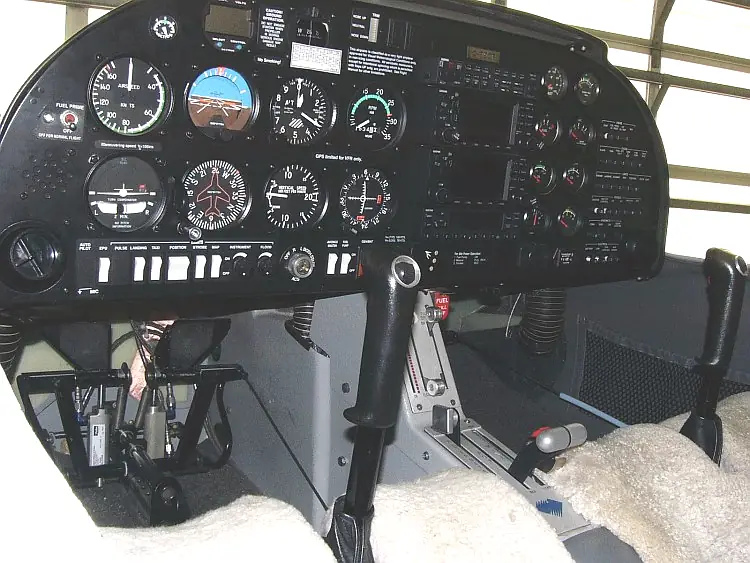
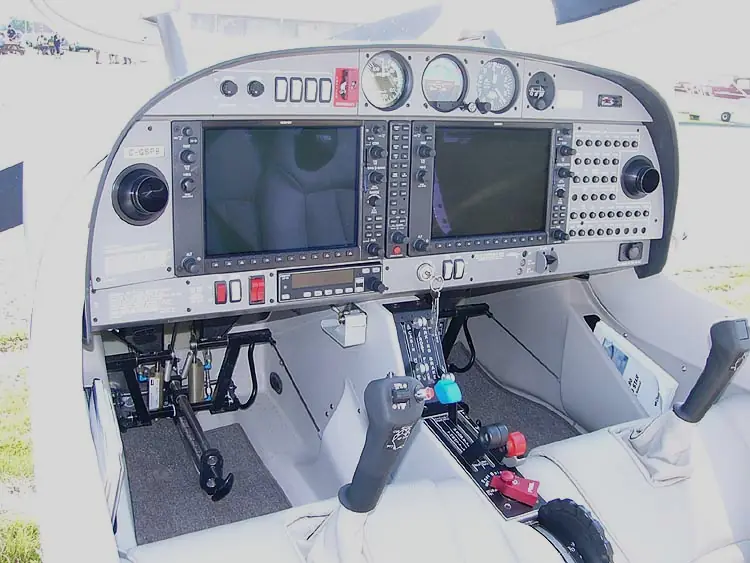
Two different aircraft, photographed years apart, and shown here to make the point rather than as work of ours. What your panel could look like depends on what you fly and what you want from it — which is a conversation, not a catalogue.
Get in touch
What you fly, how you fly it, and what is frustrating you about the panel. That is enough to start a useful conversation — no part numbers required.
North Perry Airport KHWO Pembroke Pines, Florida